
Lists in Python
Learn the fundamentals of working with lists in Python with this beginner-friendly tutorial. This tutorial provides detailed examples on creating, accessing, and manipulating lists.
Hello future Python wizard, welcome to Python Help!
Today, we’re going to talk about lists in Python. Lists are one of Python’s most fundamental data structures, incredibly versatile and useful. Understanding lists is essential whether you’re a beginner or an experienced Python programmer.
In this tutorial, we’ll cover the basics of lists in Python, including creating and manipulating lists, accessing list elements, and more. We’ll also provide detailed examples to help you understand how to use lists effectively in your Python programs.
Creating Lists in Python
To create a list in Python, you use square brackets and separate the elements with commas.
For example:
fruits = ["apple", "banana", "cherry"]
We’ve created a list called “fruits” with three elements: “apple”, “banana”, and “cherry”.
Accessing List Elements in Python
You use its index to access an element in a list in Python. The first element in a list has an index of 0. The second element has an index of 1, and so on. For example:
fruits = ["apple", "banana", "cherry"]

print(fruits[1])
We’ve accessed the second element in the “fruits” list (which has an index of 1) and printed it to the console.
Manipulating Lists in Python
You can manipulate lists in Python including adding elements, removing elements, sorting elements, and more.
For example:
fruits = ["apple", "banana", "cherry"]

fruits.append("orange")

fruits.remove("banana")

fruits.sort()

print(fruits)
In this example, we’ve added an element (“orange”) to the “fruits” list, removed an element (“banana”), sorted the list alphabetically, and printed the resulting list to the console.
Conclusion
Lists are an essential tool in Python programming. This tutorial covered the basics of creating and manipulating lists in Python, including accessing list elements, adding and removing elements, and sorting elements. By mastering lists, you can write more efficient and organized Python programs.
I hope you found this article helpful in mastering Python lists. Stay tuned for more programming tips and tricks in the future!
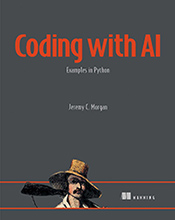
AI Is Changing Software Development. This Is How Pros Use It.
Written for working developers, Coding with AI goes beyond hype to show how AI fits into real production workflows. Learn how to integrate AI into Python projects, avoid hallucinations, refactor safely, generate tests and docs, and reclaim hours of development time—using techniques tested in real-world projects.