
Combining Two Lists Using Various Methods
In this tutorial, we will learn about various methods of combining two lists in Python. These include using the ‘+’ operator, the extend() method, and the append() method. …
In this tutorial, we will learn about various methods of combining two lists in Python. These include using the ‘+’ operator, the extend() method, and the append() method.
The first way to combine or merge two lists is by using the ‘+’ operator. Here’s a simple example:
list1 = [1, 2, 3]
list2 = [4, 5, 6]
combined_list = list1 + list2
print(combined_list) # Output: [1, 2, 3, 4, 5, 6]
The second way to combine two lists is by using the extend() method. This method adds all elements of one list to another, but it does not create a new list. Here’s an example:
list1 = [1, 2, 3]
list2 = [4, 5, 6]
list1.extend(list2)
print(list1) # Output: [1, 2, 3, 4, 5, 6]
The third way to combine two lists is by using the append() method with a loop or list comprehension. Here’s an example of how to do this:
list1 = [1, 2, 3]
list2 = [4, 5, 6]
for item in list2:
    list1.append(item)
print(list1) # Output: [1, 2, 3, 4, 5, 6]
The append() method adds a single element to the end of a list, but it does not return any value and does not change the original list. If you want to create a new combined list with duplicate elements, use the ‘+=’ operator or extend().
Remember that these operations are not commutative; adding two lists together in one order doesn’t always give the same result as doing it in another order. For example, list1 + list2 followed by list1 += list2 is not the same as list1 += list2 followed by list1 + list2.
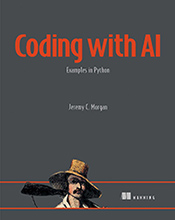
AI Is Changing Software Development. This Is How Pros Use It.
Written for working developers, Coding with AI goes beyond hype to show how AI fits into real production workflows. Learn how to integrate AI into Python projects, avoid hallucinations, refactor safely, generate tests and docs, and reclaim hours of development time—using techniques tested in real-world projects.