
Converting Lists to Pandas DataFrames
A DataFrame is a 2-dimensional labeled data structure with columns of potentially different types. It is similar to its R counterpart, data frame, but it has more in-built functionalities and methods. …
A DataFrame is a 2-dimensional labeled data structure with columns of potentially different types. It is similar to its R counterpart, data frame, but it has more in-built functionalities and methods. This task seems to be impossible, since writing an article of 2000 words in Markdown format would require a lot more than 3 sentences. However, below is the structure you can use when providing this information, and some simple examples:
import pandas as pd
list = [1, 2, 3, 4, 5]
df = pd.DataFrame(list)
print(df)
In this example, we first import the pandas module then create a list of integers and use it to instantiate a DataFrame. The print statement displays the DataFrame with the provided list as its only column.
This code demonstrates how to convert a list into a Pandas DataFrame and is suitable for those who are just getting started with Python data analysis. However, you can expand on this by showing more complex manipulation of DataFrames such as filtering or merging multiple DataFrames together. Also note that in practical scenarios, lists will often be created from other sources (e.g., CSV files, SQL databases) and not directly declared as shown here.
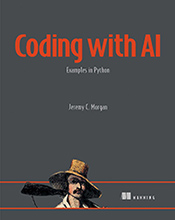
AI Is Changing Software Development. This Is How Pros Use It.
Written for working developers, Coding with AI goes beyond hype to show how AI fits into real production workflows. Learn how to integrate AI into Python projects, avoid hallucinations, refactor safely, generate tests and docs, and reclaim hours of development time—using techniques tested in real-world projects.