
A Step-by-Step Guide for Beginners
Learn how to install scikit-learn, a powerful machine learning library for Python, in PyCharm. This article will guide you through the process and provide practical tips for efficient coding. …
Learn how to install scikit-learn, a powerful machine learning library for Python, in PyCharm. This article will guide you through the process and provide practical tips for efficient coding.
What is Scikit-Learn?
Scikit-learn (pronounced “skittle learn”) is an open-source machine learning library for Python that provides a wide range of algorithms for classification, regression, clustering, and more. It’s one of the most popular and widely-used machine learning libraries in the world.
Importance and Use Cases
Scikit-learn is essential for any data scientist or machine learning engineer working with Python. Its importance lies in its ability to:
- Provide a wide range of algorithms for various machine learning tasks
- Integrate seamlessly with other popular Python libraries like NumPy, pandas, and Matplotlib
- Support both linear and non-linear models
- Offer tools for feature selection, preprocessing, and evaluation
Some common use cases include:
- Predicting continuous values (e.g., house prices)
- Classifying categorical labels (e.g., spam vs. not spam emails)
- Clustering similar data points (e.g., customer segmentation)
Installing Scikit-Learn in PyCharm
To install scikit-learn in PyCharm, follow these step-by-step instructions:
Step 1: Open PyCharm and Create a New Project
Open PyCharm and create a new project. You can choose to create a new project from scratch or import an existing one.
Step 2: Install the pip Package Manager
PyCharm comes with a built-in package manager called pip. To install scikit-learn, you’ll need to use pip.
- Open the PyCharm terminal by going to File > Settings (or press
Ctrl + Shift + Alt + S) and navigating to Tools > Terminal - Type
python -m pip --versionto check if pip is installed - If pip is not installed, type
python -m ensurepip
Step 3: Install Scikit-Learn Using pip
Type the following command in the PyCharm terminal:
pip install scikit-learn
This will download and install scikit-learn and its dependencies.
Troubleshooting Common Issues
If you encounter any issues during installation, check the following:
- Make sure you have an active internet connection
- Verify that pip is installed correctly by running
python -m pip --version - Check if there are any conflicts with other Python packages installed on your system
Tips for Writing Efficient and Readable Code
When working with scikit-learn, keep the following tips in mind:
- Use meaningful variable names and docstrings to improve code readability
- Utilize scikit-learn’s built-in tools for feature selection and preprocessing to ensure efficient model performance
- Experiment with different algorithms and parameters to find the best fit for your data
Practical Uses of Scikit-Learn
Some practical examples of using scikit-learn include:
- Classification: Use logistic regression or decision trees to classify spam vs. not spam emails
- Regression: Employ linear regression or random forests to predict house prices based on features like square footage and number of bedrooms
- Clustering: Utilize k-means clustering to segment customers based on demographic characteristics
By following this step-by-step guide, you should now be able to install scikit-learn in PyCharm. Practice working with the library by experimenting with different algorithms and techniques. Happy coding!
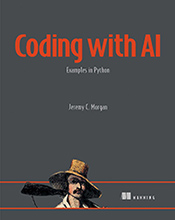
AI Is Changing Software Development. This Is How Pros Use It.
Written for working developers, Coding with AI goes beyond hype to show how AI fits into real production workflows. Learn how to integrate AI into Python projects, avoid hallucinations, refactor safely, generate tests and docs, and reclaim hours of development time—using techniques tested in real-world projects.